Doubt from the perspective of Francis Bacon, Rene Descartes, and Kierkegaard through Aristotle. (made using AI)
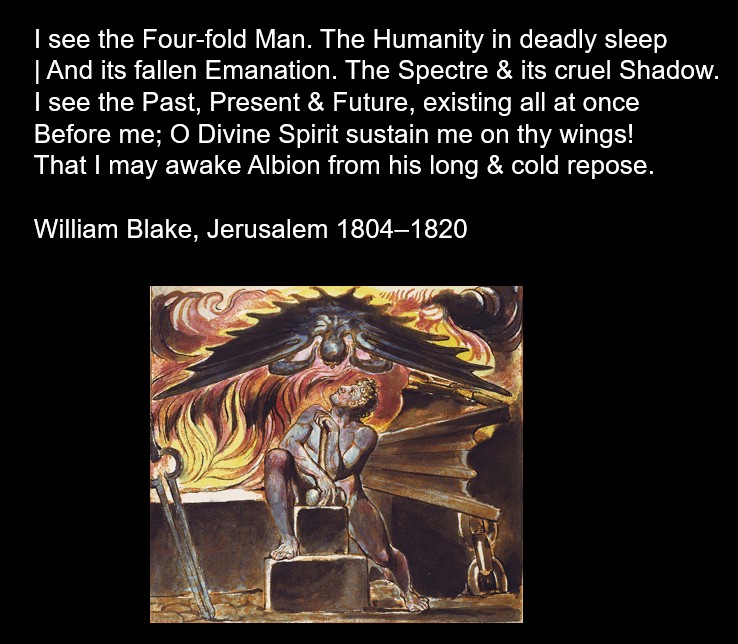
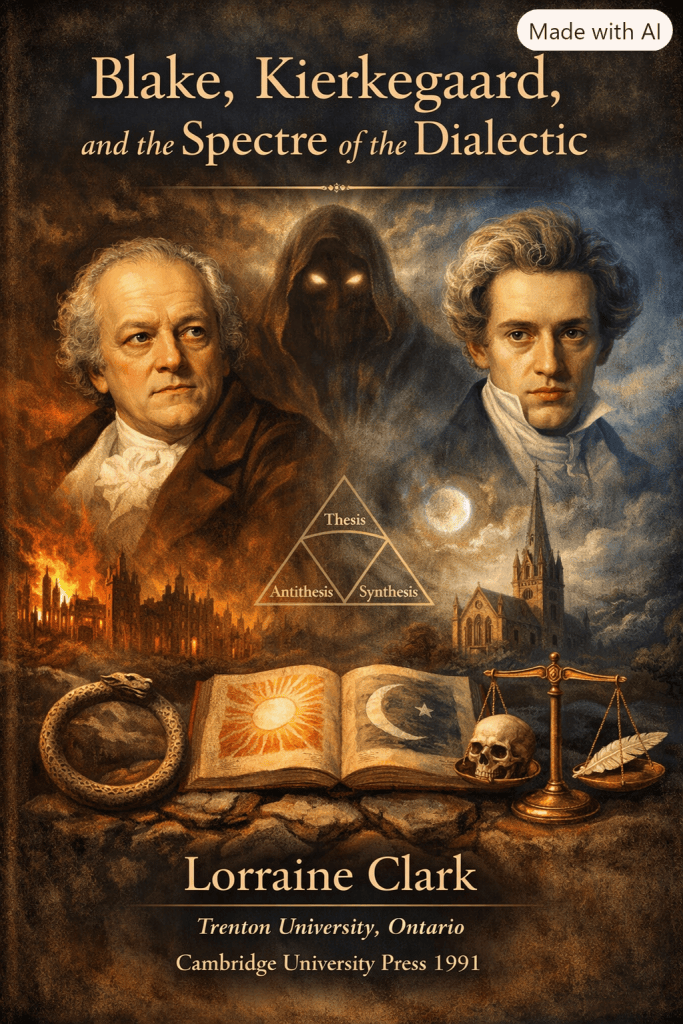
“Socrates proved the immortality of the soul from the fact that the sickness of the soul (sin) does not consume the body, So also we can demonstrate the eternal in man from the fact that despair cannot consume his self, that this precisely is the torment of contradiction in despair. (Sickness Unto Death, Swenson p. 153) This “torment of contradiction” is that one dies everlastingly yet does not die; one cannot get rid of this haunting spectre of the eternal in oneself.” “My Spectre around me night and day / Like a Wild beast guards my way,” as Blake laments (Songs & Ballads; 475). Blake, Kierkegaard, and the Spectre of the Dialectic, Lorraine Clark, Trenton University, Ontario, Cambridge University Press 1991 p.64
“The torment of contradiction” leads to despair which sets the different sides of the soul in motion. Kierkegaard asks in Either-Or, “What, then, is depression?”
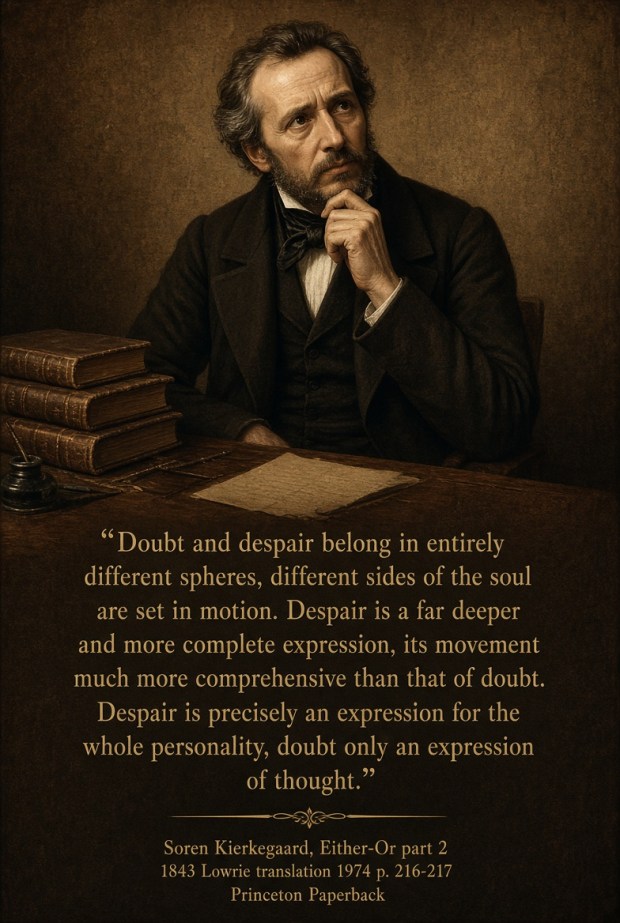
It is hysteria of the spirit. There comes a moment in a person’s life when immediacy is ripe, so to speak, and when the spirit requires a higher form, when it wants to lay hold of itself as spirit. As immediate spirit, a person is bound up with all the earthly life, and now spirit wants to gather itself together out of this dispersion, so to speak, and to transfigure itself in itself; the personality wants to become conscious in its eternal validity. If this does not happen, if the movement is halted, if it is repressed, then depression sets in. Either-Or Vol 2 Hong p. 188-189
Kierkegaard was consistently interested in the formation of the soul and development of the personality in the single individual. He described a Jekyll-Hyde existence as early as 1843. Stevenson wrote his novel in 1886. Doubt didn’t help Kierkegaard’s Jekyll deny his lower Hyde like urges by going through depression and despair. These two were called the first and second self in his Four Upbuilding Discourse of 1844. They were the aesthete and ethicist in his 1843 Either-or.
“When a person turns and faces himself in order to understand himself, he steps, as it were, in the way of that first self, halts that which was turned outward in hankering for and seeking after the surrounding world that is its object, and summons it back from the external. In order to prompt the first self to this withdrawal, the deeper self lets the surrounding world remain what it is-remain dubious.” Soren Kierkegaard, Four Upbuilding Discourses August 31, 1844 from Eighteen Upbuilding Discourses, Hong p. 314
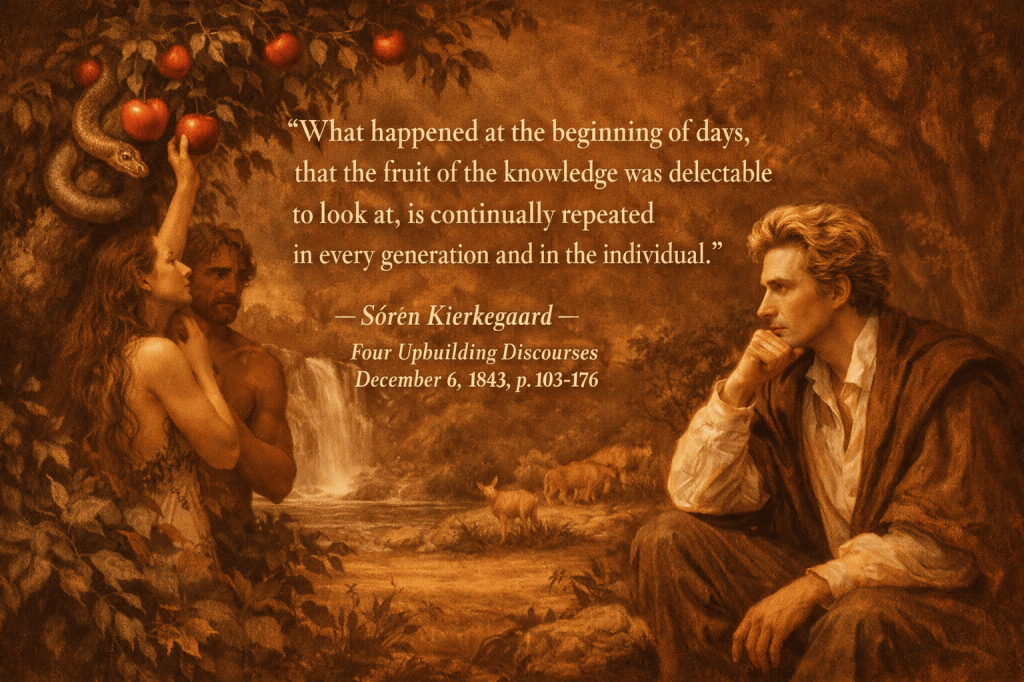
If Adam and Eve had only withdrawn from what was dubious.
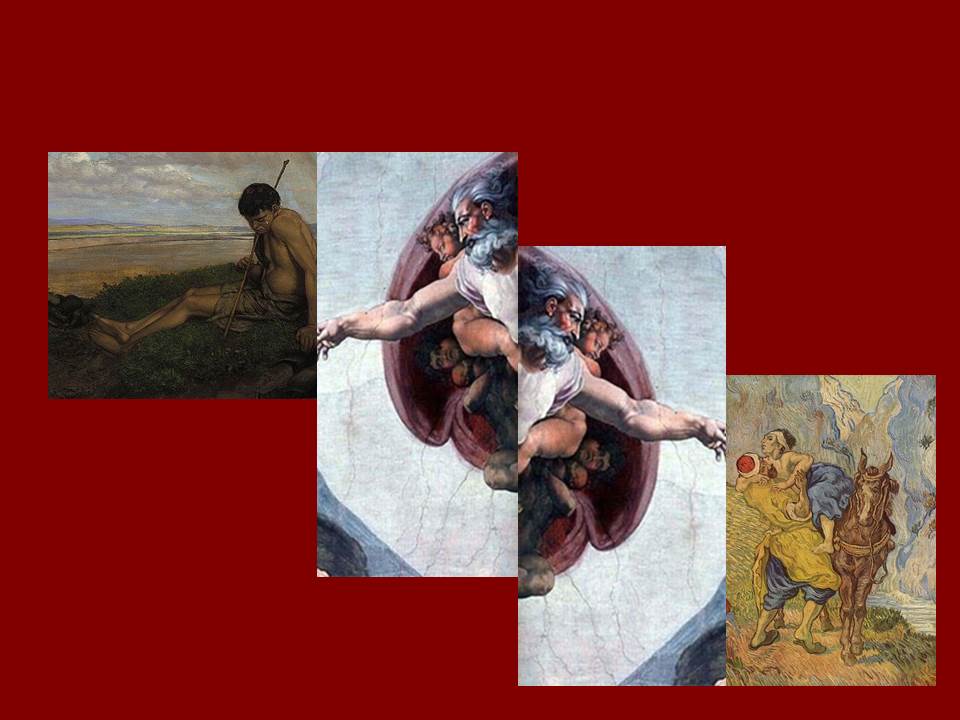
“If a person does not discover this conflict, his understanding is faulty and consequently his life is imperfect; but if he does discover it, then he will once again understand that he himself is capable of nothing at all.” Soren Kierkegaard, Four Upbuilding Discourses p. 319
the soul receives the accolade of eternity through a choice not a wish but the will
He who lives ethically wishes to be fortunate in his choice; however, if it turns out that the choice was not completely in accordance with his wish, he does not lose courage, he at once sees his task and knows that the art not to wish but to will. Soren Kierkegaard, Either-Or part 2 1843 Lowrie translation 1974 p. 257 Princeton Paperback
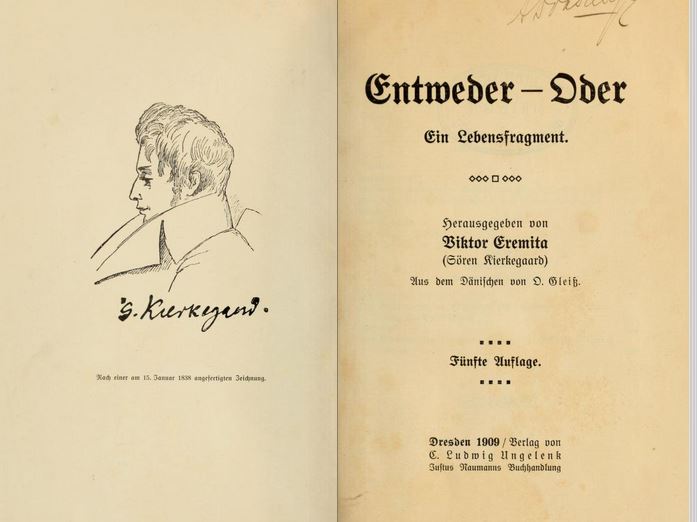
The esthetic choice is either altogether immediate, and thus no choice or it loses itself in a great multiplicity. …If a man esthetically ponders a host of life tasks, then he does not readily have one Either/Or but a great multiplicity, because the self-determining aspect of the choice has not been ethically stressed and because, if one does not choose absolutely, one chooses only for the moment and for that reason can choose something else the next moment. … What is important in choosing is not so much to choose the right thing as the energy, the earnestness, and the pathos with which one chooses. In the choosing the personality declares itself in its inner infinity and in turn the personality is thereby consolidated. Either/Or II p. 167 Hong
“Existence is not just a given but also a task, Kierkegaard insists-the task of becoming oneself; for “actuality (the historical actuality” relates itself in a two-fold way to the subject: partly as a gift which will not admit of being rejected, and partly as a task to be realized” (Concept of Irony, Hong p. 293). One cannot become all possibilities simultaneously in reality (however possible this may be in thought, as he readily acknowledges); one must become some one thing in particular. Otherwise, one remains abstract.”
Blake, Kierkegaard, and the Spectre of the Dialectic, Lorraine Clark, Trenton University, Ontario, Cambridge University Press 1991 p. 101
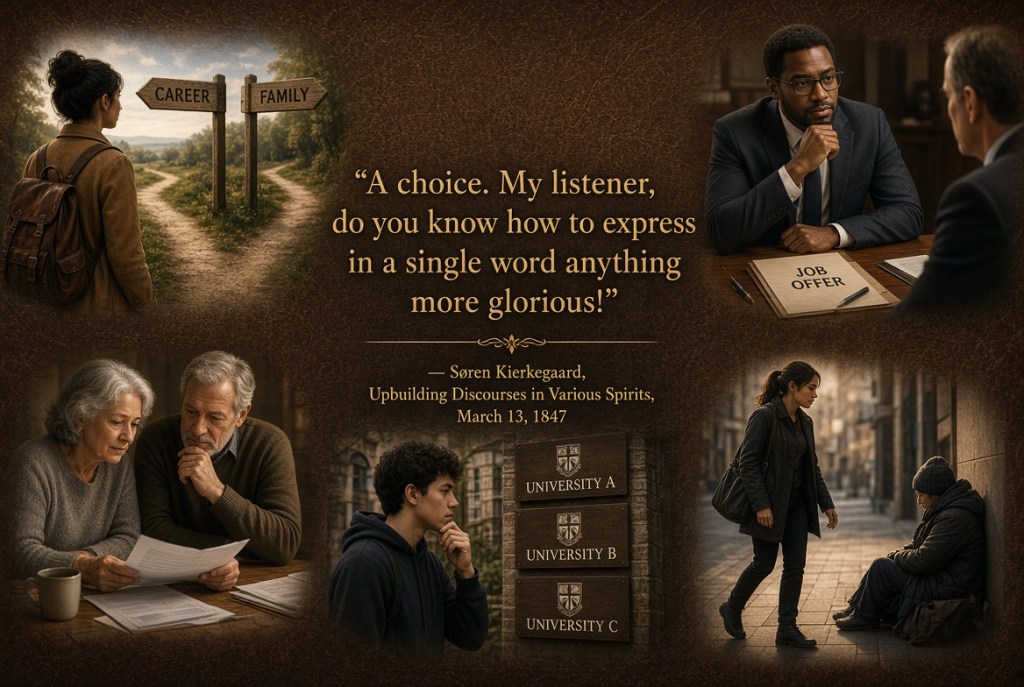
A choice. My listener, do you know how to express in a single word anything more glorious! If you talked year in and year out, could you mention anything more glorious than a choice, to have a choice! … A choice, not between red and green, not between silver and gold– no, a choice between God and the world. Do you know anything greater to place together for a choice! Soren Kierkegaard, Upbuilding Discourses in Various Spirits, March 13, 1847, p. 206 Hong 1993
The person who insists on having a penny without God, a penny he wants to have all for himself, chooses mammon. A penny is enough, the choice is made, he has chosen mammon; that it is little makes no difference. … It is God’s presence that poses the choice between God and mammon. And God’s presence in order to be chosen is what gives eternal earnestness to the decision of choice…. The struggle is terrible, the struggle in a person’s inner being between God and the world. Soren Kierkegaard, Upbuilding Discourses in Various Spirits, March 13, 1847, p. 207-208 Hong 1993
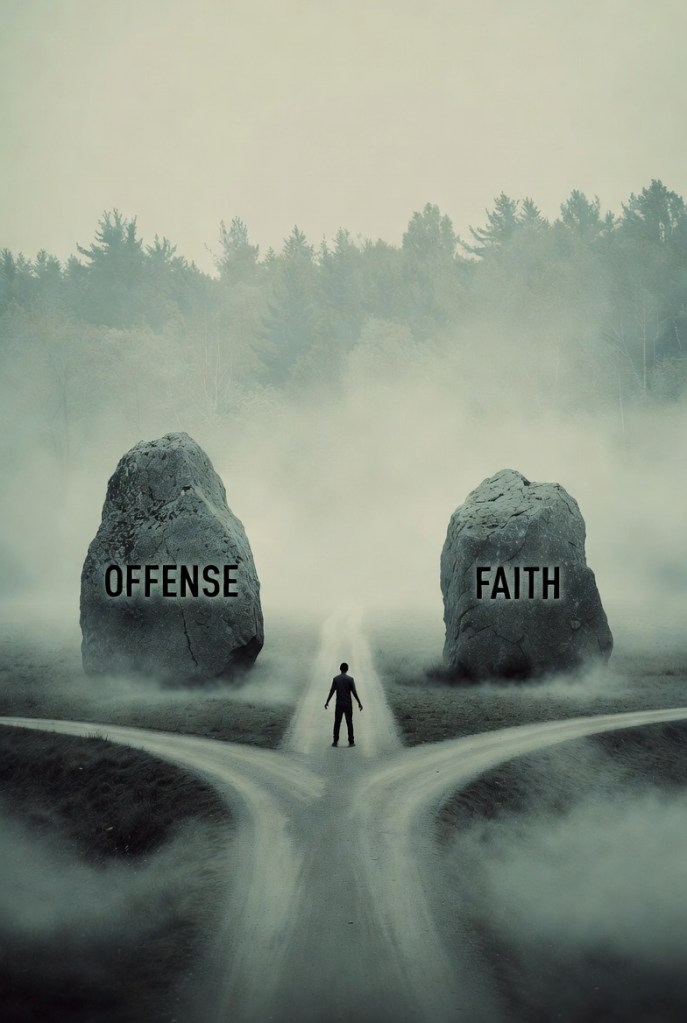
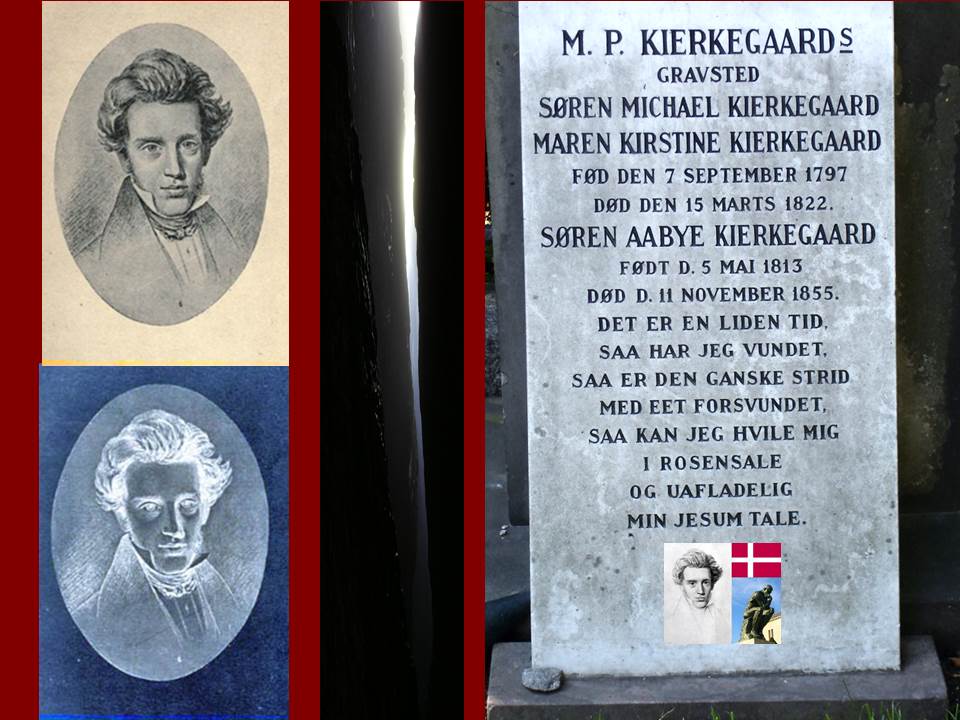
“I am myself again. This “self” that someone else would not pick up off the street I have once again. The split that was in my being is healed; I am unified again.” Soren Kierkegaard, Repetition 1843 p. 221 Hong (Fear and Trembling/Repetition)
Kierkegaard made the choice for God through his works,
what about you? Have you made a choice?

